Manual Fire Alarm Boxes: A Comprehensive Guide
Manual fire alarm boxes, crucial for building safety, empower occupants to initiate alarms during emergencies. These devices, like pull stations and call points,
are vital components of comprehensive fire protection systems, ensuring rapid response and potentially saving lives.
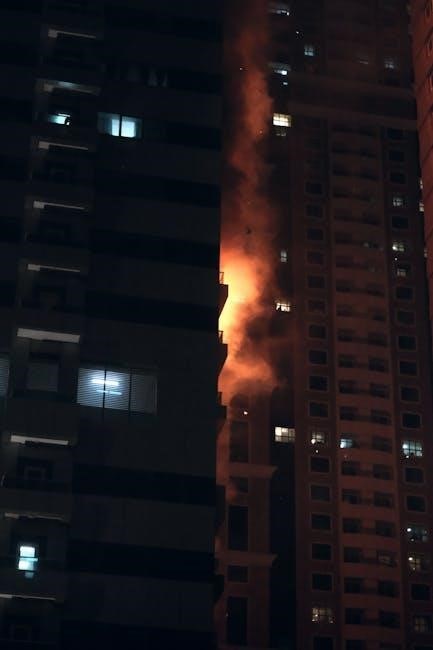
Manual fire alarm boxes represent a foundational element within comprehensive fire safety infrastructure, offering a direct and reliable method for individuals to signal a potential fire emergency. Unlike automatic detection systems, these devices require human activation, providing a crucial backup and ensuring immediate notification when a fire is visually confirmed.
These systems, encompassing both manual call points (MCPs) and pull stations, are strategically positioned throughout buildings to maximize accessibility. Their primary function is to transmit an alarm signal to the fire alarm control panel, initiating building-wide alerts and potentially summoning emergency services. Understanding their operation, placement, and maintenance is paramount for ensuring effective fire protection and safeguarding lives and property.
What is a Manual Fire Alarm Box?
A manual fire alarm box, also known as a manual call point or pull station, is a device enabling building occupants to manually activate the fire alarm system. It’s a critical component, functioning as a direct input mechanism to notify of impending danger. Typically encased in a durable, often weatherproof enclosure, these boxes are designed for ease of use in emergency situations.
Activation methods vary, including breaking glass or pulling a lever. Upon activation, the box transmits a signal to the fire alarm control panel, triggering audible and visual alarms throughout the facility. These systems are strategically placed for accessibility, offering a vital means of initiating an emergency response when a fire is detected by individuals.
Historical Development of Manual Fire Alarm Systems
The evolution of manual fire alarm systems began in the mid-19th century, addressing the need for rapid fire notification. Early systems utilized a network of street-based pull boxes, connected via telegraph wires to central stations. These required a key or specific tool for activation, limiting access and potentially delaying response times.
Over time, designs evolved towards more accessible pull stations within buildings. The introduction of break-glass mechanisms simplified activation, while advancements in electrical technology improved signal transmission reliability. Modern systems incorporate addressable technology, providing precise location information to emergency responders. Today’s manual call points represent a significant leap from those initial, rudimentary street boxes, enhancing fire safety.
Components and Functionality
Manual fire alarm boxes comprise enclosures, activation mechanisms (break glass or pull levers), and electrical components. These systems transmit alarm signals to a control panel, initiating building-wide alerts.

Key Components of a Manual Fire Alarm Box
Manual fire alarm boxes, whether conventional or addressable, share fundamental components. The enclosure, typically constructed from durable plastic or weatherproof materials, protects internal parts from damage and environmental factors. A critical element is the activation mechanism – either a break glass element requiring forceful impact, or a pull lever needing a deliberate action.
Electrical contacts are central, initiating the alarm signal when activated. LED indicators provide visual confirmation of alarm status. Many modern units include a reset mechanism to restore the system after testing or a false alarm. Addressable systems feature a unique identification module, allowing precise location reporting to the fire alarm control panel. Finally, a robust mounting bracket ensures secure installation on walls or surfaces, contributing to the overall reliability of the system.
How Manual Fire Alarm Boxes Work
Manual fire alarm boxes operate on a simple yet effective principle: a physical action completes an electrical circuit, triggering an alarm signal. When activated – by breaking glass or pulling a lever – internal electrical contacts close, allowing current to flow. This current is detected by the fire alarm control panel (FACP), which then initiates a building-wide alarm sequence.
In conventional systems, the FACP identifies only that an alarm has been activated. Addressable systems, however, utilize unique identification modules within each box, pinpointing the exact location of the activation. The FACP then activates audible and visual alarms, potentially notifying emergency services. The system’s functionality relies on a stable operating voltage and appropriate current rating to ensure reliable operation.
Types of Activation Mechanisms
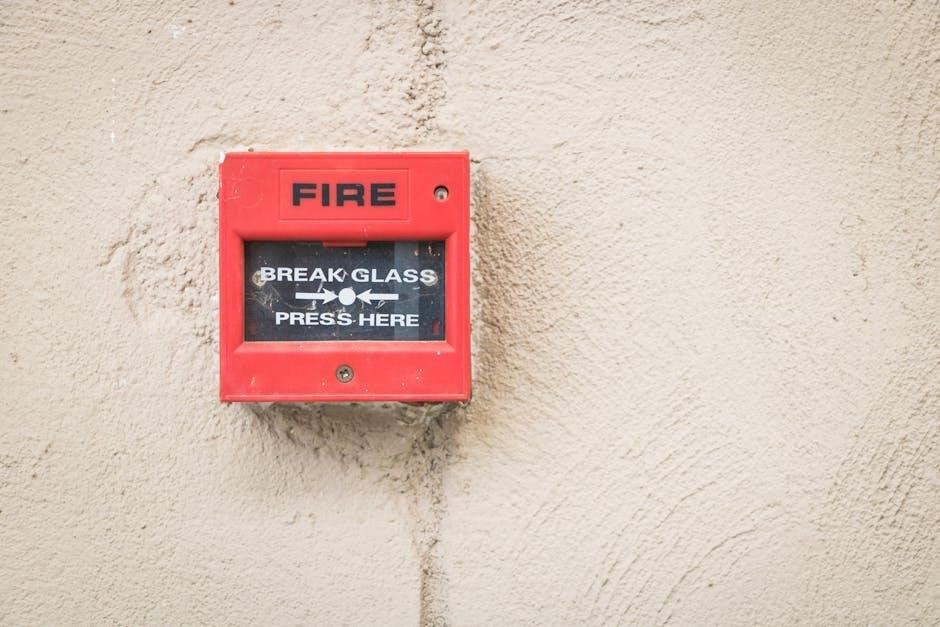
Manual fire alarm boxes employ distinct activation methods tailored to specific needs. Break glass activation utilizes a fragile pane of glass protected by a cover; striking the glass shatters it, immediately triggering the alarm. This method offers a clear visual indication of activation. Alternatively, pull station activation involves a lever or handle that, when pulled, mechanically activates the alarm circuit.
Pull stations are common in North America, while break glass units are prevalent elsewhere. Both mechanisms require a deliberate action to prevent accidental activation. Specialized boxes, like explosion-proof models, feature reinforced housings and mechanisms designed for hazardous environments, ensuring reliable operation even in extreme conditions. The chosen mechanism impacts accessibility and suitability for various applications.
Break Glass Activation
Break glass activation, a common method in manual fire alarm boxes, relies on a glass pane protected by a cover. To activate, a person must break the glass, typically by striking it with a fist or provided hammer. This action immediately triggers the fire alarm system, signaling an emergency. The broken glass provides a clear visual confirmation that the alarm has been activated, aiding in rapid response.
These units are frequently found in Europe, Asia, and Australia; While effective, break glass stations require a deliberate force, potentially posing a challenge for individuals with limited strength. Regular inspection is crucial to ensure the glass remains intact but readily breakable, and replacement glass must be readily available for swift restoration of functionality after activation.
Pull Station Activation
Pull station activation, predominantly used in the USA and Canada, involves physically pulling a lever or handle on the manual fire alarm box. This straightforward action mechanically triggers the alarm signal, immediately alerting the fire alarm control panel and initiating the building’s emergency response procedures. The design prioritizes ease of use, ensuring quick activation even under stressful conditions.
These stations often feature a clear visual indicator showing whether the alarm has been activated. Regular testing is vital to confirm proper functionality and ensure the lever moves freely. Pull stations are favored for their intuitive operation and reliability, making them a cornerstone of fire safety in North American buildings.
Electrical Characteristics
Manual fire alarm boxes exhibit specific electrical properties crucial for system integration. Operating voltage typically ranges from 15-32VDC, ensuring compatibility with standard fire alarm control panels. Current rating varies; standby current is low, around 200μA, while alarm current can reach 5mA. These values are critical for calculating power supply requirements and loop supervision.
LED indicators, often red, provide visual confirmation of alarm activation and system status. These LEDs typically have a maximum rating of 30mA. Understanding these electrical characteristics is essential for proper installation, troubleshooting, and maintaining the reliability of the entire fire alarm system. Temperature and humidity ranges also affect performance.
Operating Voltage
Manual fire alarm boxes are designed to function within a specific voltage range to ensure reliable communication with the fire alarm control panel. The standard operating voltage for these devices generally falls between 15 and 32 Volts Direct Current (VDC). This range accommodates the majority of fire alarm systems currently in use, providing broad compatibility.
Maintaining the correct voltage is paramount; deviations can lead to false alarms or, critically, a failure to activate during an emergency. Proper voltage supply ensures the internal circuitry operates as intended, reliably triggering the alarm signal when the device is activated. Consistent voltage is key for dependable fire safety.
Current Rating (Standby & Alarm)
Manual fire alarm boxes exhibit differing current ratings depending on their operational state – standby versus alarm. In standby mode, where the device is inactive, the current draw is minimal, typically around 200 microamperes (μA). This low consumption preserves battery life and minimizes strain on the system’s power supply.
However, upon activation, the current demand surges significantly to reliably transmit the alarm signal. This alarm current is usually around 5 milliamperes (mA). This increased current ensures the control panel receives a clear and unmistakable signal, initiating the building’s fire response protocols. Understanding these ratings is crucial for proper system design and maintenance.
LED Indicators
Manual fire alarm boxes frequently incorporate LED indicators to provide visual confirmation of their operational status. These LEDs serve multiple purposes, enhancing usability and simplifying system diagnostics. A steady LED, often red, typically signifies that the device is powered and functioning correctly, assuring continuous readiness.
Upon activation, the LED may flash or change color, clearly indicating that an alarm signal has been transmitted to the fire alarm control panel. The maximum LED rating is often around 30mA. This visual feedback is invaluable for both building occupants and maintenance personnel, confirming alarm activation and aiding in troubleshooting.

Installation and Placement
Strategic placement of manual fire alarm boxes is critical for effectiveness, requiring consideration of accessibility, visibility, and adherence to stringent fire safety regulations.
Optimal Locations for Manual Fire Alarm Boxes
Determining optimal locations for manual fire alarm boxes necessitates a thorough understanding of building layout and potential fire hazards. Placement should prioritize accessibility, ensuring they are easily reachable along normal evacuation routes, particularly near exits and stairwells. High-traffic areas, such as lobbies, corridors, and hallways, are also crucial locations.
Consideration must be given to areas where a fire might obstruct the normal use of automatic detection systems. Locations near fire doors, and within immediate reach upon exiting rooms, are highly recommended. Avoid placing them in concealed locations or behind obstructions. Furthermore, placement should comply with local fire codes and regulations, which often specify maximum travel distances between boxes. Prioritizing visibility and ease of access maximizes their effectiveness during emergencies.
Mounting Height and Accessibility Requirements
Mounting height for manual fire alarm boxes is strictly regulated to ensure usability for all occupants, including those with disabilities. Generally, the bottom of the box should be positioned no lower than 40 inches (102 cm) and no higher than 48 inches (122 cm) from the floor. This range accommodates a wide range of users.
Accessibility is paramount; clear space of at least 30 inches wide and 36 inches deep must be maintained in front of the box. Boxes must be mounted securely to prevent accidental damage or displacement. Compliance with ADA (Americans with Disabilities Act) standards is essential, requiring operable parts to be within reach and usable with one hand, without tight grasping, pinching, or twisting of the wrist.
Compliance with Fire Safety Codes
Compliance with national and local fire safety codes is non-negotiable for manual fire alarm box installations. Key standards include those set by NFPA (National Fire Protection Association), particularly NFPA 72, which details requirements for fire alarm systems. These codes dictate spacing, placement, and testing procedures.
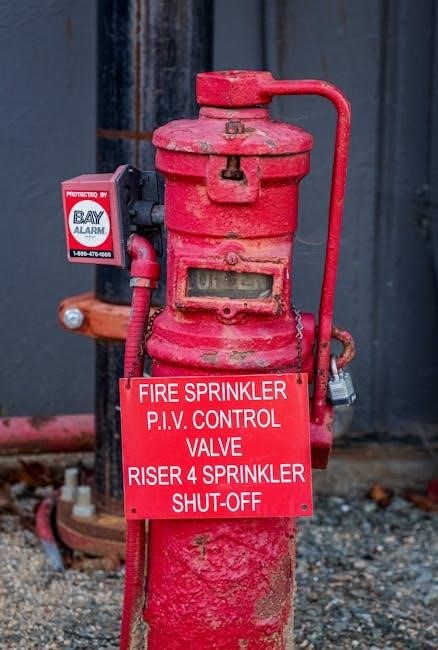
Authorities Having Jurisdiction (AHJs) enforce these regulations, conducting inspections to verify adherence. Proper documentation, including installation records and testing reports, is crucial for demonstrating compliance. Codes also specify requirements for visibility – boxes must be clearly visible and unobstructed. Failure to comply can result in fines, operational shutdowns, and, most importantly, compromised life safety.
Considerations for Hazardous Environments
Hazardous environments—areas with flammable gases, dusts, or vapors—demand specialized manual fire alarm boxes. Standard units pose ignition risks; therefore, explosion-proof enclosures are essential. These are designed to contain any internal explosion, preventing it from igniting surrounding atmospheres.
Devices like the Spectron-535-Exi-IPR-B and Spectron-535-Exd-A/N-UDP are specifically engineered for such locations, certified for zones 0, 1, and 2. Materials must be robust and resistant to corrosion. Waterproofing is also critical in environments prone to moisture. Regular inspection and maintenance are paramount to ensure continued reliable operation in these challenging conditions, safeguarding both personnel and facilities.

Types of Manual Fire Alarm Boxes
Manual fire alarm boxes vary, including conventional call points, addressable systems offering programmable features, explosion-proof models for hazardous areas, and weatherproof options for outdoor use.
Conventional Manual Call Points
Conventional manual call points represent a foundational technology in fire alarm systems. These devices, often utilizing a break-glass or pull-station activation method, operate on a simple principle: when activated, they send a general alarm signal to the fire alarm control panel.
Unlike addressable systems, conventional call points don’t pinpoint the exact location of the activation. Instead, the panel identifies that an alarm has been triggered within a specific zone encompassing multiple call points. This simplicity translates to lower installation costs and easier maintenance.
Typically operating on a 15-32VDC power supply with a standby current around 200μA and an alarm current of 5mA, these units often feature a red LED indicator to visually confirm activation. They are a reliable and cost-effective solution for many fire protection needs, particularly in smaller buildings or less complex systems.
Addressable Manual Call Points
Addressable manual call points offer a significant advancement over conventional systems, providing precise location identification during a fire event. Each call point possesses a unique address, allowing the fire alarm control panel to pinpoint the exact source of the alarm, streamlining emergency response efforts.
These systems typically operate within a 15-32VDC range, with low standby currents (around 200μA) and alarm currents of 5mA. Programmable features, allowing for configuration within a range of 1-254, enhance flexibility. A red LED indicator confirms activation, and the system’s ability to integrate seamlessly with fire panels provides detailed information.
Addressable systems are ideal for larger, more complex buildings where rapid and accurate location identification is critical. They offer enhanced diagnostics and control capabilities, improving overall fire safety management.
Explosion-Proof Manual Call Points
Explosion-proof manual call points are specifically engineered for use in hazardous environments, such as those containing flammable gases, vapors, or dust. These robust devices, designed for Zones 0, 1, and 2, prevent ignition of surrounding atmospheres during activation or a fault condition.
Models like the Spectron-535-Exi-IPR-B and Spectron-535-Exd-A/N-UDP are built to withstand harsh conditions, offering reliable fire alarm initiation in critical industrial settings. They facilitate manual control of extinguishant release, smoke extraction, and evacuation procedures.
These call points maintain the core functionality of standard devices while incorporating specialized enclosures and components to ensure intrinsic safety. They are essential for protecting personnel and assets in potentially explosive locations.
Waterproof/Weatherproof Manual Call Points
Waterproof and weatherproof manual call points are designed for outdoor applications or environments exposed to moisture, rain, or harsh weather conditions. These robust devices ensure reliable operation despite environmental challenges, maintaining the integrity of the fire alarm system.
Constructed with durable, sealed enclosures, they prevent water ingress and corrosion, safeguarding internal components from damage. This ensures consistent functionality and minimizes the risk of false alarms or system failures due to weather-related issues.
These call points are crucial for locations like loading docks, exterior walls, and areas near water sources, providing a dependable means of manual fire alarm activation regardless of the climate.
Maintenance and Testing
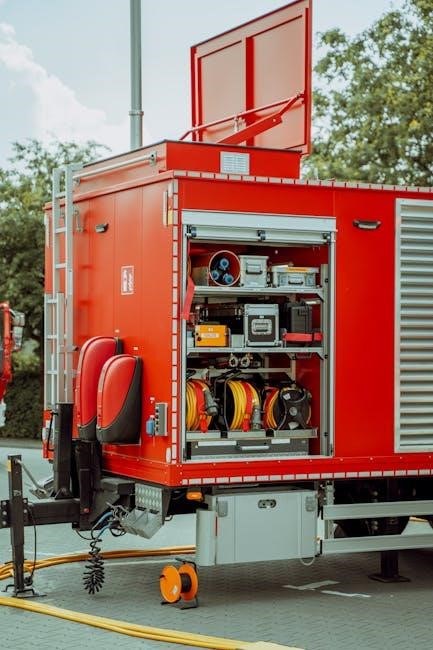
Regular inspection, testing, and record-keeping are essential for ensuring manual fire alarm boxes function correctly. Consistent upkeep guarantees reliable operation during emergencies, protecting lives and property.
Regular Inspection Procedures
Routine visual inspections of manual fire alarm boxes are paramount for maintaining system reliability. These checks should confirm the device isn’t obstructed, damaged, or showing signs of tampering. Verify the glass (if applicable) remains intact and the pull handle is securely fastened.
Inspect the surrounding area for cleanliness, ensuring no debris interferes with access. Confirm the box’s labeling is legible and accurately reflects its location. Additionally, examine the LED indicators (if equipped) to ensure they are functioning as intended. Document all inspection findings, noting any discrepancies or required repairs. Consistent, detailed inspections proactively identify potential issues before they escalate, contributing to a safer environment; These procedures should be performed according to established fire safety codes and manufacturer recommendations.
Testing Frequency and Methods
Comprehensive testing of manual fire alarm boxes is crucial, typically conducted semi-annually or annually, adhering to local fire codes. Activation testing involves manually triggering the device – breaking the glass or pulling the handle – to verify signal transmission to the fire alarm control panel.
Confirm the panel accurately registers the alarm and initiates the appropriate response, such as audible alarms and notification to emergency services. Document the test date, time, and results. Addressable systems allow for individual device testing and reporting. Following activation, reset the system and verify normal operation. Proper testing ensures the system’s responsiveness in a real emergency, safeguarding lives and property.
Troubleshooting Common Issues
Common issues with manual fire alarm boxes include false alarms due to accidental activation or environmental factors. Inspect for physical damage to the enclosure, glass, or activation mechanism. Electrical connectivity problems, indicated by a lack of LED illumination or panel communication failures, require checking wiring and voltage levels (15-32VDC).
Addressable systems may display specific fault codes aiding diagnosis. High humidity or temperature fluctuations can affect functionality. If a device consistently malfunctions, replacement is often necessary. Always document troubleshooting steps and resolutions. Regular maintenance and testing minimize these issues, ensuring reliable operation during emergencies.
Record Keeping and Documentation
Detailed records of all manual fire alarm box inspections, testing, and maintenance are essential for compliance and system reliability. Documentation should include dates, times, personnel involved, and specific findings – noting any faults, repairs, or replacements. Maintain a log of activation events, whether accidental or genuine, with corresponding investigation details.
For addressable systems, record any programmed settings or configuration changes. Keep schematics and wiring diagrams readily accessible. Proper documentation facilitates efficient troubleshooting, demonstrates due diligence during fire safety audits, and supports long-term system management, ensuring a consistently protected environment.
Regional Variations
Manual fire alarm boxes exhibit regional differences; pull stations are common in the USA and Canada, while manual call points are prevalent throughout Europe, Asia, and Australia.
Manual Pull Stations (USA & Canada)
In the United States and Canada, the dominant form of manual fire alarm activation is the manual pull station. These devices typically feature a prominent handle, often requiring a forceful pull to initiate an alarm signal. Historically, these pull stations utilized a mechanical connection to transmit the alarm, but modern systems increasingly integrate them with addressable fire alarm control panels.
The design prioritizes ease of use, even for individuals with limited strength or dexterity. Regulations dictate specific placement requirements, ensuring accessibility along egress routes. Common locations include near exits, hallways, and stairwells. Visual indicators, such as a clearly labeled instruction plate, are standard. Furthermore, pull stations are often housed in robust, weather-resistant enclosures to withstand potential damage or environmental factors, contributing to their reliability in emergency situations.
Manual Call Points (Europe, Asia, Australia)
Across Europe, Asia, and Australia, the term manual call point (MCP) is prevalent, representing the manual fire alarm activation device. Unlike the predominantly pull-station design in North America, MCPs often utilize a break-glass mechanism, requiring the forceful shattering of a protective glass cover to activate the alarm. This design aims to deter accidental activation while providing a readily available means for initiating an alarm.
Modern MCPs increasingly incorporate addressable technology, allowing for precise location identification of the activated point within the fire alarm system. These systems often feature LED indicators to confirm activation and provide visual feedback. Robust construction and weatherproofing are also key considerations, ensuring reliable operation in diverse environmental conditions. The design standards prioritize clear visibility and accessibility for all building occupants.

Advanced Features and Technologies
Modern manual call points integrate with fire alarm control panels, offering programmable features and remote monitoring. These advancements enhance system responsiveness and provide detailed event reporting.
Integration with Fire Alarm Control Panels
Manual fire alarm boxes don’t operate in isolation; seamless integration with a fire alarm control panel (FACP) is paramount. Upon activation – whether through breaking glass or pulling a station – the manual call point sends a distinct signal to the FACP. This signal immediately identifies the specific location of the activation, especially crucial in addressable systems.
The FACP then processes this information, initiating pre-programmed responses like activating audible and visual alarms throughout the building, notifying emergency services, and potentially triggering other safety systems like smoke control. Effective integration ensures a swift and coordinated response to a fire emergency, maximizing safety for building occupants. Proper wiring and configuration are essential for reliable communication between the manual call point and the central control panel.
Programmable Features (Addressable Systems)
Addressable manual call points offer sophisticated programmable features unavailable in conventional systems. Each device possesses a unique address, allowing for precise identification of the activated location at the fire alarm control panel (FACP). This enables customized responses based on the specific point triggered.
Programming can include sensitivity adjustments, differentiating between a test activation and a genuine emergency, and even configuring the device to display specific messages on the FACP. Programmable ranges, like 1-254, define the addressable scope. These features minimize false alarms, streamline troubleshooting, and enhance the overall efficiency of the fire detection and response system, providing a higher level of building safety and control.
Remote Monitoring Capabilities
Modern fire alarm systems, particularly those utilizing addressable manual call points, increasingly incorporate remote monitoring capabilities. This functionality allows for real-time system status updates and alarm notifications to be transmitted to off-site monitoring stations or directly to designated personnel via secure networks.
Remote access enables swift verification of alarm events, reducing response times and potentially minimizing damage. System administrators can remotely diagnose issues, perform basic troubleshooting, and review event logs. This proactive approach enhances system reliability and ensures continuous protection. Integration with building management systems further expands remote control and monitoring options, offering a comprehensive safety solution.
Future Trends in Manual Fire Alarm Technology
The evolution of manual fire alarm boxes is leaning towards smarter, more integrated systems. We can anticipate increased adoption of wireless technologies, simplifying installation and reducing wiring costs, particularly in retrofit applications. Enhanced addressable systems will offer more granular control and detailed event reporting.
Further integration with IoT (Internet of Things) devices is expected, enabling predictive maintenance and automated system testing. Biometric activation methods, alongside traditional pull stations, could enhance security and reduce false alarms. Expect improved user interfaces and more intuitive diagnostic tools for technicians, ultimately leading to more reliable and efficient fire safety solutions.